

For most of modern medicine’s history, dentistry and primary care have behaved like two tenants sharing a building but never speaking. The dentist asks about flossing; the cardiologist asks about cholesterol. Both write “do you smoke?” on their intake forms, and both, more often than not, move on.
The mouth and the heart were treated as separate jurisdictions with different maps, different specialists, and different billing codes.
Physiology never agreed with that arrangement. The mouth is not a sealed compartment at the edge of the body – it is one of the body’s most active bacterial surfaces, separated from the bloodstream by a membrane measured in microns.
And the heart does not fail in isolation either. It sits at the end of a vascular network that every organ, including your gums, feeds into.
At the center of that connection sits a single, largely invisible player: systemic inflammation. It is the quiet force linking gum disease to heart disease, and it is the reason a growing number of cardiologists, periodontists, and primary care physicians are insisting the two specialties start talking.
This article is about that bridge – what the science actually says, what it does not say, and what it means for how you manage your health.

The Inflammatory Highway: How Gums Talk to the Heart
Periodontal (gum) disease is easy to underestimate because it is painless for so long. Bleeding gums, a bit of redness, breath that isn’t fresh – most people file it under “minor.”
But periodontitis is not a cosmetic inconvenience. It is a chronic bacterial infection of the tissues that anchor your teeth, and it is staggeringly common: severe periodontitis is the sixth most prevalent condition on the planet, affecting roughly one in ten adults worldwide.
Here is what changes everything. Healthy gums form a tight, living seal around each tooth, protecting the bloodstream from the billions of bacteria in your mouth.
When that seal breaks down – when plaque hardens into calculus and the body answers with an inflammatory attack that damages gum tissue – the barrier becomes porous.
Bacteria and their toxins slip through ulcerated pockets in the gums and enter systemic circulation, sometimes during something as routine as chewing or brushing.
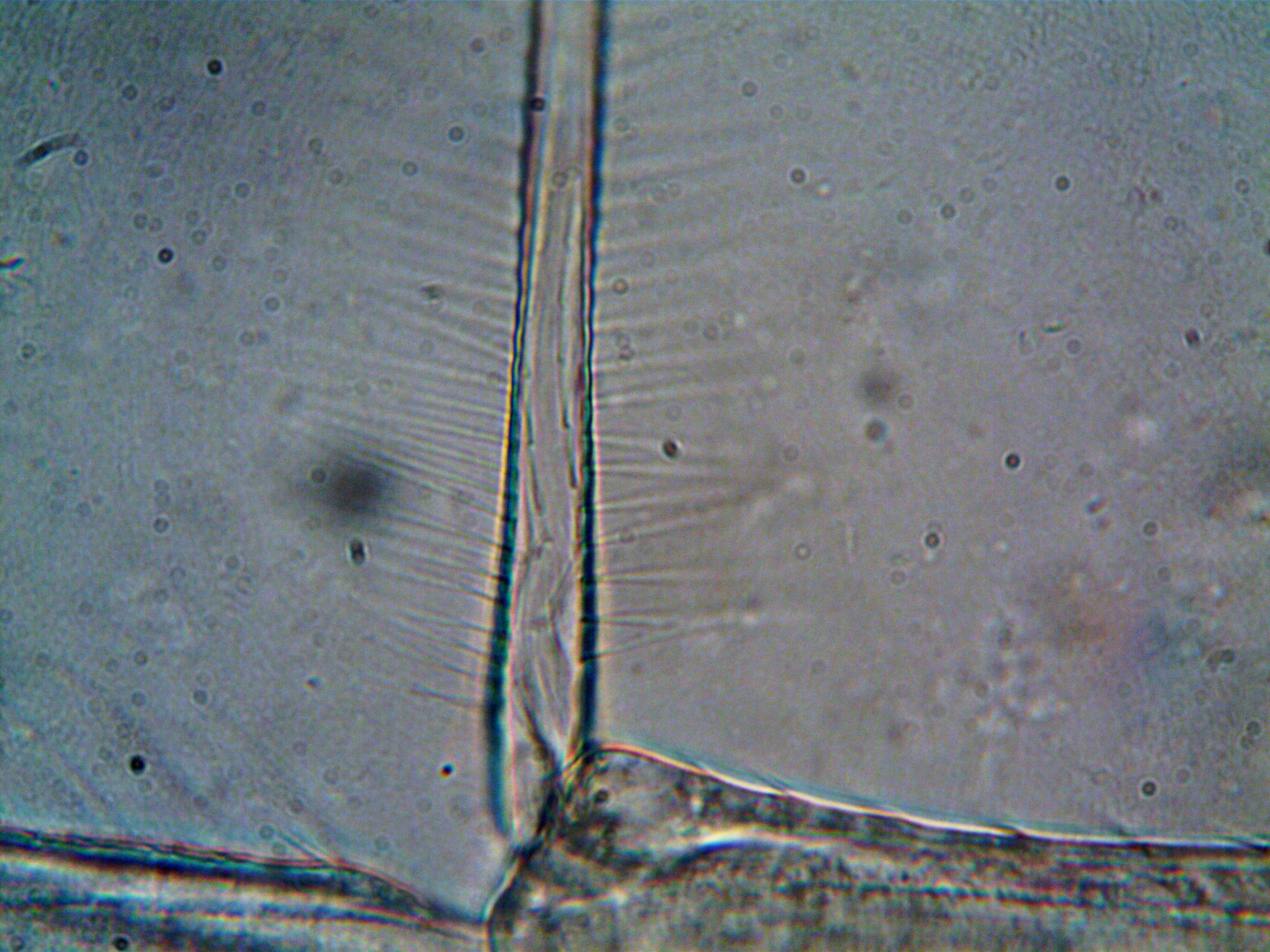
Once in the bloodstream, those oral bacteria and the inflammatory molecules they provoke stop being a mouth problem.
They become a body problem, and the cardiovascular system is one of their first stops. Think of it as an inflammatory highway running from your gums to your arteries, with three major lanes.
Lane one: a rising tide of inflammatory markers
Chronic oral infection raises the body’s inflammatory set-point. The liver responds by producing more C-reactive protein (hs-CRP) – the same blood marker cardiologists use to gauge inflammation and cardiovascular risk.
When a physician sees a persistently elevated hs-CRP, the mouth is rarely the first place they look. The evidence increasingly says it should be on the list: people with periodontitis carry measurably higher circulating levels of CRP, IL-6, and tumor necrosis factor-alpha than people with healthy gums.
Lane two: the endothelium takes the hit
The endothelium – the delicate single-cell lining of every blood vessel – is exquisitely sensitive to inflammation.
Circulating inflammatory cytokines irritate that lining, cut its production of nitric oxide (the molecule that keeps vessels relaxed), and make it stickier for cholesterol and immune cells.
That is the initiating step of atherosclerosis: the plaque buildup that eventually surfaces as a blocked artery or a stroke.
Lane three: the same risk factors, driving each other
Insulin resistance, metabolic syndrome, elevated blood pressure, and gum disease all feed the same low-grade inflammatory state. They are not unrelated problems that happen to coexist – they amplify one another. Treating one while ignoring the others is like bailing water from a boat without checking the hull.
And then there’s the oral–gut–vascular axis
Recent research has added a genuinely unexpected wrinkle. Swallowed oral bacteria don’t simply die in the stomach – some periodontal pathogens survive gastric acidity, colonize the gut, and reshape the microbiome in ways that push systemic inflammation still higher.
A 2026 review in npj Cardiovascular Health maps this oral–gut–vascular axis to describe how the bacteria you swallow may be shaping your cardiovascular risk from the other end of the digestive tract. It is a reminder that the mouth’s influence travels further than anyone imagined even a decade ago.
What the Numbers Actually Show
This is not a fringe theory held by a handful of dentists with a grudge against flossing. The epidemiological evidence is broad, and much of it comes from researchers whose primary interest is the heart, not the teeth.
A 2026 meta-analysis of 39 prospective cohorts and more than 4.3 million participants found that periodontal disease was associated with a 24% higher relative risk of major adverse cardiovascular events – an association that held even after adjusting for smoking, diabetes, and other classic risk factors.
The breakdown is worth reading slowly:
| Outcome | Relative risk associated with periodontal disease |
|---|---|
| Major adverse cardiovascular events | 1.24 |
| Coronary heart disease | 1.20 |
| Myocardial infarction (heart attack) | 1.14 |
| Stroke | 1.26 |
| Cardiovascular death | 1.42 |
| All-cause mortality | 1.31 |
Source: meta-analysis of 39 prospective cohorts (4,389,263 participants), Frontiers in Immunology, 2026.
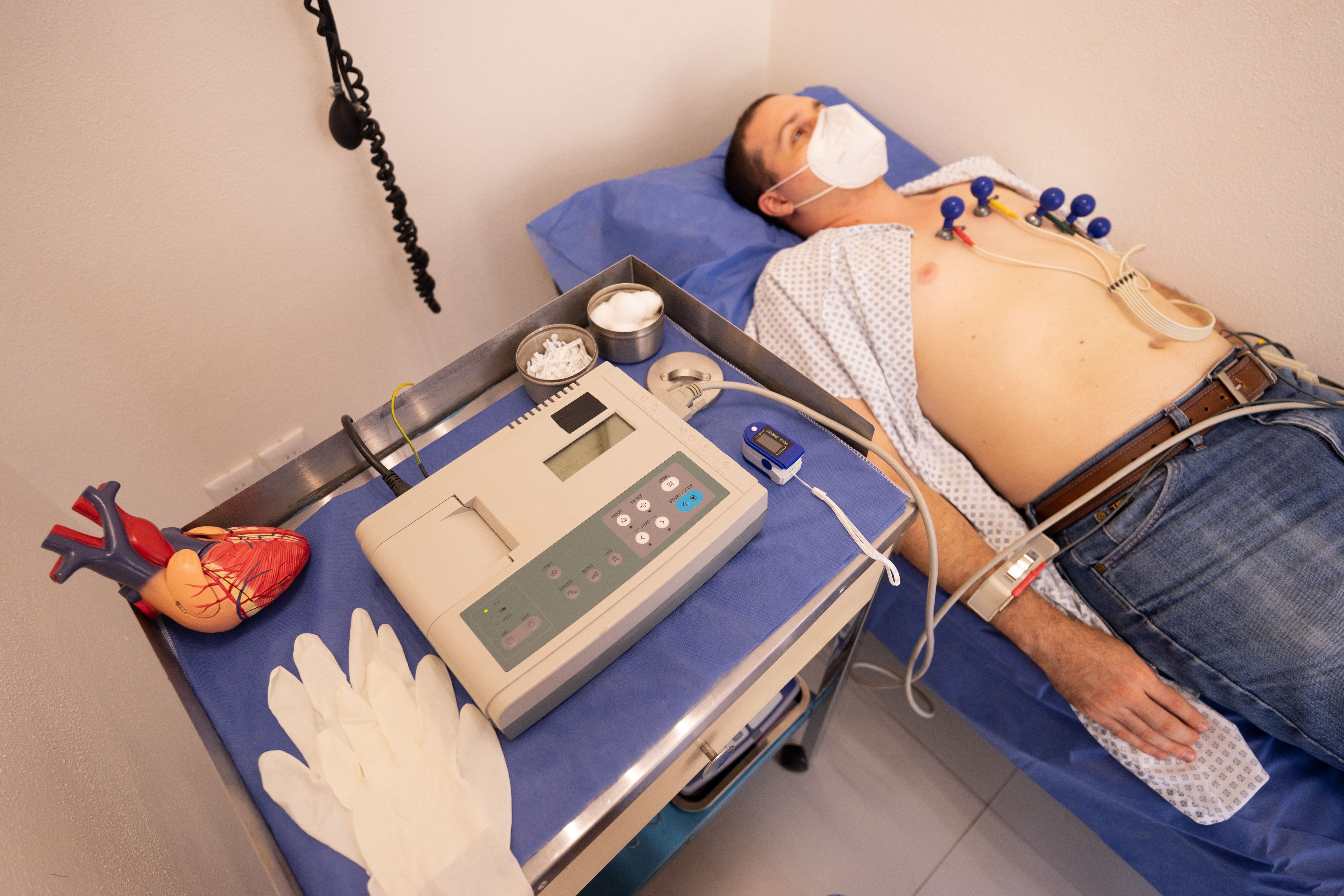
Real-world clinical data tells a similar story. A 2025 study that matched nearly 95,000 patients with and without periodontitis in the TriNetX database found the gum-disease group carried more than three-fold higher odds of heart inflammation and 2.4-fold higher odds of heart disease overall – along with higher mortality – over a 19-year follow-up.
In other words, gum disease doesn’t just predict tooth loss. It is a genuine, if under-appreciated, signal in cardiovascular risk assessment.
The Honest Caveat: Association Is Not Causation
Now the part that internet headline writers tend to skip. In 2025, the American Heart Association published an updated scientific statement on periodontal disease and cardiovascular disease, and its conclusion was careful: the evidence supports a robust association, but it does not yet establish cause and effect, and randomized trials have not yet shown that treating gum disease prevents heart attacks.
That caveat deserves to be taken seriously rather than waved away. The association could partly reflect shared risk factors – people with gum disease are more likely to smoke, carry excess weight, and have undiagnosed diabetes – so some of the observed relationship may be confounding rather than causation.
Here is where I land after reading the evidence. The uncertainty cuts both ways, and the practical conclusion survives it.
The AHA statement itself notes that every therapy that lessens lifetime exposure to inflammation appears beneficial – and treating periodontal disease demonstrably lowers blood pressure, improves lipid profiles, and reduces inflammatory markers, all of which are established cardiovascular risk factors.
We may not know the full causal story, but we know enough to act: managing gum disease is managing cardiovascular risk, even if the precise size of the effect is still being measured.
Can Cleaning Your Gums Lower Your Heart Risk?
The intervention side of the equation is where the evidence gets genuinely encouraging. A 2024 meta-analysis of 21 randomized controlled trials found that non-surgical periodontal therapy – essentially a thorough deep cleaning – produced significant reductions in CRP, IL-6, and systolic blood pressure. Reductions in inflammatory markers after dental treatment are among the most reproducible findings in this entire literature.
Even everyday habits move the numbers. In a Korean national health survey of more than 13,000 adults, estimated 10-year cardiovascular risk fell from 13.7% among people who brushed once a day or less to 7.35% among those who brushed three times a day or more – with inflammatory markers declining in step with brushing frequency.
Toothbrushing, it turns out, is one of the cheapest cardiovascular interventions ever studied.
Confounders almost certainly explain part of that gap, but a 13.7% versus 7.35% spread is still worth chewing on.

Why a Rushed Appointment Misses the Mouth
So the science says the mouth and the heart share a highway. Why does clinical practice so rarely reflect it? The short answer is time.
A typical primary care visit lasts ten minutes. In that window, a physician is expected to review medications, address the reason for the appointment, screen for diabetes and hypertension, and still finish the chart.
There is no room left to ask when you last saw a dentist, whether your gums bleed, or whether your dental records show progressive bone loss. And dentists, for their part, are rarely trained or equipped to interpret a lipid panel.
The gap is structural, not personal. No one is being careless – the system simply was not built for whole-body thinking.

That is precisely where unhurried, coordinated care earns its keep. When a physician has the time to review systemic biomarkers, take a history that includes oral health, and actually communicate with your dentist or periodontist, prevention stops being a slogan and becomes a working process.
Inflamed gums can be flagged at an annual physical; a rising blood pressure reading can be shared back to the dental chair; a patient with rapidly progressing gum disease can be checked for undiagnosed blood sugar before it becomes diabetes.
The Dual Strategy: Clean From the Outside, Manage From the Inside
Managing systemic inflammation responsibly requires two fronts, and they need each other.
From the mouth side: meticulous brushing and flossing, plus professional cleanings that remove the calculus no toothbrush can reach.
For people with active gum disease, this means staying on a maintenance schedule – every three to four months, not just when something hurts – because the goal is keeping the bacterial load low and the gums sealed.
From the medical side: working with a physician to address the metabolic drivers of inflammation – blood sugar control, blood pressure, lipid profile, sleep, stress, and diet. Inflammation that starts in the mouth meets the inflammation that starts at the dinner table and in the stress response. Managing only one is incomplete.
For people who want a medical partner with the time to run this kind of comprehensive risk evaluation – who treats prevention as a discipline rather than a checkbox – joining a dedicated primary care team can be transformative.
Unhurried appointments, detailed health tracking, and a physician who actually calls your dentist change the quality of the care you receive. In my opinion, it is the single most practical upgrade most people can make to how they manage their health.
Red Flags Worth Passing Between Your Dentist and Your Doctor
A few specific findings deserve to travel between the two chairs:
- Gums that bleed during brushing or flossing – the earliest sign that the seal around your teeth is failing.
- Deep periodontal pockets or visible bone loss on X-rays – the measure of how far the infection has progressed.
- Loose teeth or a persistent bad taste – later signs that the inflammatory burden is substantial.
- Rapidly worsening gum health in a previously stable patient – a signal that deserves a blood sugar check.
- Known heart disease, hypertension, or diabetes – anyone in these groups should treat gum disease screening as part of cardiovascular care, not an afterthought.
None of these guarantees a cardiac problem, and plenty of people with gum disease have perfectly healthy hearts. But each one is a reason to make sure both providers have the full picture.
Total Body Health Starts With Connection
Your mouth is not a separate department of your body. It is the gateway – where digestion begins, where bacteria live in their greatest numbers, and, as the evidence increasingly shows, where chronic inflammation can take root and travel.
The practical takeaway is not alarm. It is integration. Brush and floss like the stakes are cardiovascular, because they may be. See your dentist on schedule, and tell them about your heart history.
Tell your physician about your dental history. And if your care currently lives in two silos, consider what it would take to bring them together.
The science has done its part: the mouth and the heart are connected, and inflammation is the bridge. The rest is up to the care you choose to coordinate.
How This Article Was Put Together
I wrote this from the current scientific literature, checked during research: the 2025 American Heart Association scientific statement on periodontal disease and atherosclerotic
cardiovascular disease; a 2026 Frontiers in Immunology meta-analysis covering 39 prospective cohorts and more than 4.3 million participants; a 2026 npj Cardiovascular Health review
of the periodontal–cardiovascular mechanisms; and a 2024 BMC Oral Health meta-analysis of 21 randomized trials of non-surgical periodontal therapy.
Where the evidence is limited – chiefly on whether treating gum disease directly prevents heart attacks – I have said so rather than overclaiming.
All figures reflect the studies as published, and given how quickly this field is moving, they are worth rechecking in a year or two.